
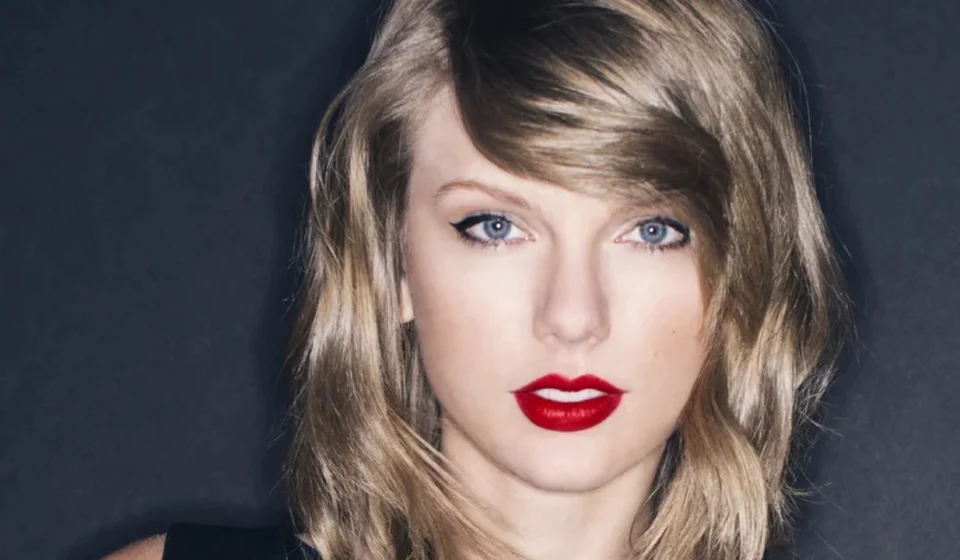

Pop superstar Taylor Swift arrived for a recent interview fresh off a milestone week. Her album 1989 was racing past the one-million sales mark in just days — a feat she had last achieved herself with Red in 2012. Dressed playfully in a Pegasus-inspired Halloween costume, Swift balanced celebration with reflection, offering thoughtful insight into her music, career evolution and the pressures of growing up in the spotlight.
When asked why her hit single “Shake It Off” focuses on critics rather than supporters, Swift explained that the song represents a shift in perspective. Earlier in her career, tracks like “Mean” approached criticism from a wounded point of view. With time, however, she learned to respond with humor instead of hurt. “It’s about reclaiming the narrative,” she said, emphasizing the importance of self-awareness without letting outside noise define you.
Addressing young fans navigating middle school challenges, Swift acknowledged that insecurity and comparison don’t disappear with age. The dynamics may evolve, but the feelings remain. Her advice? Channel energy into creativity and personal passions. “Find what you love to create,” she suggested. “That becomes your anchor.”
With 1989, Swift marked a decisive departure from country roots, embracing polished synth-pop. Thematically, she described the album as more nuanced. Earlier songs often framed heartbreak in black and white; now she explores emotional gray areas — relationships where responsibility is shared, endings that still carry pride and love stories shaped by realism rather than fairy tales. Tracks like “Wildest Dreams” reflect this matured outlook, where even the beginning of romance carries awareness that it may not last.
Musically, Swift cited unexpected inspirations: Peter Gabriel and Annie Lennox. She admired Gabriel’s atmospheric production and Lennox’s emotional intensity — influences that helped shape the album’s expansive, layered sound.
Swift also opened up about fame’s contradictions. While social media allows her to build meaningful connections with fans — including intimate “1989 Secret Sessions” listening parties — it also requires careful boundary-setting. She recognizes that public life limits privacy, yet she strives to maintain gratitude and authenticity.
On the evolving music industry, Swift defended the album format. For 1989, she created collectible physical editions with Polaroids and songwriting voice memos, aiming to offer fans an experience beyond digital downloads. In an era of streaming dominance, she believes artists must craft releases tailored to their own audiences rather than copy trends.
Reflecting on her teenage beginnings in Nashville, Swift noted that her songwriting formula hasn’t changed: each album captures a chapter of her life. While she can still perform early hits like “Love Story,” she connects to them now through nostalgia and fan memories rather than the emotions that first inspired them.
Perhaps most passionately, Swift spoke about feminism and self-esteem. She defined feminism simply as equal rights and opportunities for women. In the entertainment world, she still sees double standards — from relationship scrutiny to media comparisons that pit women against each other. She wants young girls to value intelligence, imagination and strength over unrealistic ideals of being “cool” or “sexy.”
“We’re living in a time where girls compare their behind-the-scenes to everyone else’s highlight reel,” she said, referencing the pressures amplified by social media. Through her music and interviews, she hopes to help fans better understand their emotions and embrace self-confidence.
More than a decade into her career, Swift continues evolving — not just sonically, but personally — determined to connect through honesty, growth and resilience.
Credit: [NPR.org]