
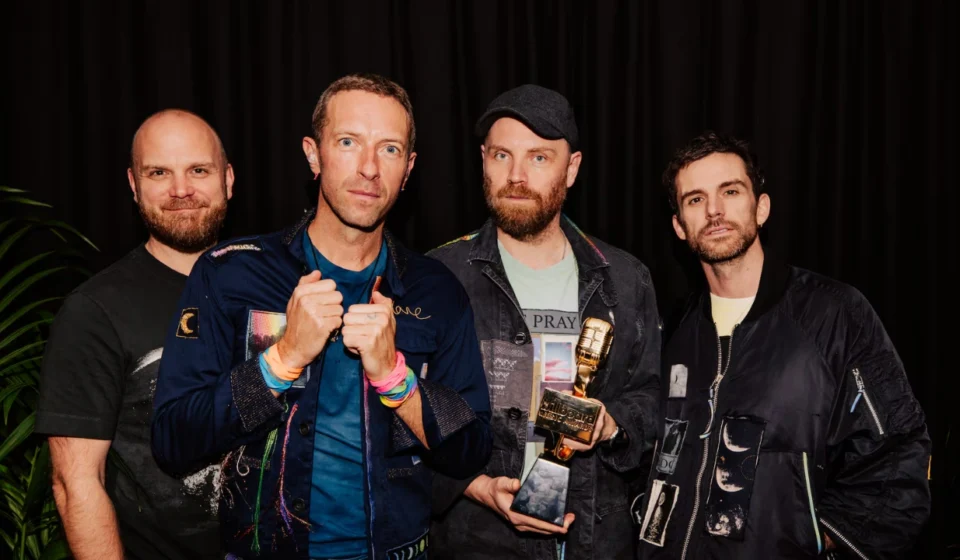

Few modern bands have managed to balance emotional intimacy with massive stadium spectacle quite like Coldplay. Over more than two decades, the British quartet has transformed from introspective alternative rock newcomers into one of the highest-grossing and most globally beloved touring acts in music history.
Formed in London in 1997, Coldplay — consisting of Chris Martin, Jonny Buckland, Guy Berryman, and Will Champion — first captured attention with their 2000 debut album Parachutes. Anchored by the breakout single “Yellow,” the album introduced the world to Martin’s vulnerable falsetto and the band’s signature atmospheric sound. The record’s success signaled the arrival of a group capable of blending melodic rock with heartfelt lyricism.
Their follow-up album, A Rush of Blood to the Head (2002), cemented Coldplay’s reputation as serious artists. Tracks like “Clocks,” “The Scientist,” and “In My Place” showcased richer instrumentation and emotional depth. The album earned multiple Grammy Awards and marked the beginning of Coldplay’s global dominance.
Rather than staying in one sonic lane, Coldplay consistently embraced reinvention. Viva La Vida or Death and All His Friends (2008), produced in collaboration with Brian Eno, introduced orchestral elements and experimental textures. The title track became one of the most recognizable anthems of the 21st century, proving the band could innovate while maintaining mass appeal.
As the 2010s unfolded, Coldplay leaned further into vibrant pop and electronic influences. Albums like Mylo Xyloto and A Head Full of Dreams featured colorful aesthetics, stadium-ready choruses, and collaborations with international artists. While critics debated their stylistic shifts, audiences responded with overwhelming enthusiasm. Their tours consistently broke attendance records across continents.
What truly separates Coldplay from many of their peers is their approach to live performance. Their concerts are immersive experiences rather than simple setlists. LED wristbands distributed to fans synchronize with the music, turning entire arenas into pulsating seas of light. Confetti cannons, fireworks, giant screens, and extended runways transform venues into interactive playgrounds. Yet amid the spectacle, Martin often strips things back to piano-and-vocal moments that remind audiences of the band’s emotional core.
In recent years, Coldplay has also become a leader in sustainable touring. Recognizing the environmental impact of global concerts, the band pledged to significantly reduce carbon emissions on their tours. Initiatives have included renewable energy-powered stages, kinetic dance floors that generate electricity, and tree-planting programs tied to ticket sales. Their efforts have sparked industry-wide conversations about how major tours can reduce environmental footprints.
Musically, Coldplay continues to evolve. Albums like Everyday Life explored global sounds and socially conscious themes, while Music of the Spheres embraced a futuristic pop aesthetic inspired by intergalactic concepts. Collaborations with international artists have broadened their reach even further, making them one of the few Western bands to maintain strong chart performance worldwide in the streaming era.
Chris Martin’s presence as a frontman plays a major role in the band’s longevity. His openness about vulnerability, mental health, and gratitude resonates deeply with fans. Coldplay’s lyrics often revolve around hope, love, resilience, and unity — themes that translate seamlessly across cultures and languages.
With more than 100 million records sold and billions of streams globally, Coldplay’s legacy is secure. But perhaps their greatest achievement is their ability to make massive stadium shows feel personal. In an era dominated by rapid trends and viral moments, Coldplay has built something more enduring: a shared emotional experience that unites audiences under one sky.
As they continue to tour and release new music, Coldplay remains proof that sincerity, spectacle, and reinvention can coexist — and thrive — on the world’s biggest stages.
Related reading