

Few artists in modern music history have reshaped the industry the way Taylor Swift has. From a teenage country prodigy to one of the most powerful figures in global entertainment, Swift’s journey is a masterclass in artistic reinvention, business intelligence, and emotional storytelling.
Born in Pennsylvania in 1989, Swift moved to Nashville as a teenager to pursue country music. Her self-titled debut album introduced her as a fresh voice with relatable songwriting rooted in adolescence and small-town dreams. Songs like “Tim McGraw” and “Teardrops on My Guitar” established her gift for narrative-driven lyrics — a quality that would later define her global appeal.
Her transition from country to mainstream pop began with Fearless and accelerated with Red. But it was 1989 that cemented her as a global pop phenomenon. Fully embracing synth-pop production, Swift demonstrated that reinvention was not a risk for her — it was a strategy. The album produced global hits and marked her first Grammy win for Album of the Year in the pop category.
Swift’s artistry, however, goes beyond catchy hooks. She built a reputation for crafting albums that function like chapters of a diary. Whether exploring public scrutiny in Reputation, political and personal awakening in Lover, or introspective storytelling in Folklore and Evermore, her ability to evolve while maintaining authenticity is unmatched.
One of her most significant moves came when she began re-recording her early catalog to regain control of her masters. The “Taylor’s Version” releases were not just business decisions — they became cultural events. Fans embraced them wholeheartedly, turning re-recordings into chart-topping successes and redefining artist ownership in the streaming era.
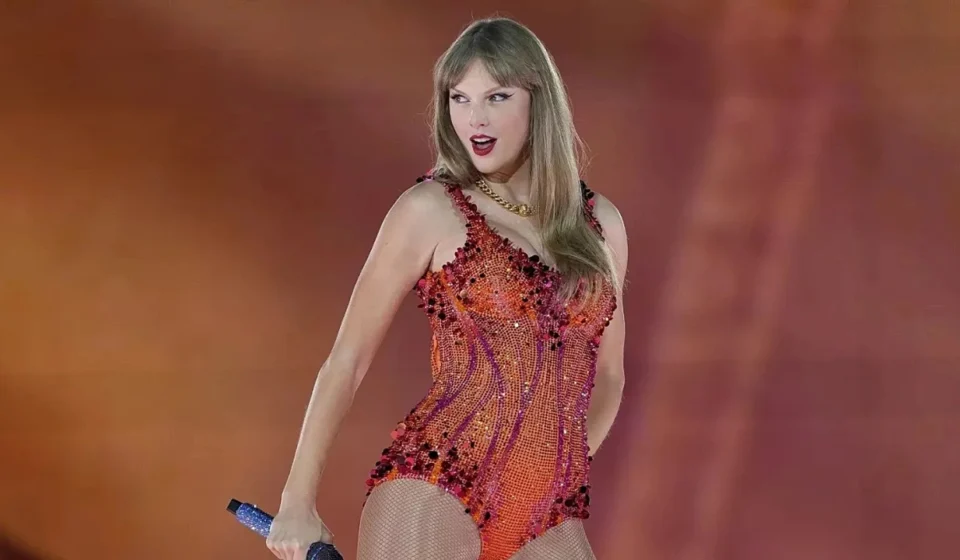
Live performance is where Swift’s cultural dominance becomes undeniable. Her tours consistently break global attendance and revenue records. With elaborate stage production, costume changes, and marathon-length performances, she transforms concerts into immersive theatrical experiences. Each era of her music receives visual treatment, creating a nostalgic yet forward-looking spectacle.
Beyond music, Swift has emerged as a voice in discussions around artists’ rights, gender equity, and political engagement. Her ability to maintain global relevance across nearly two decades reflects not just talent but strategic longevity.
As streaming reshapes the industry, Swift remains one of the few artists capable of driving both digital and physical sales at massive scale. Vinyl releases, limited-edition merchandise, and surprise drops keep her audience constantly engaged.
Ultimately, Taylor Swift’s legacy is not just about awards or chart positions. It’s about redefining what a modern artist can be — creative visionary, business mogul, and cultural architect — all at once.
Related reading